
A brief discussion of historic and current models
Introduction
The female speculum. Certainly not everyone’s favorite exam tool. However, it is an important instrument for internal examination of important female pelvic organs including the vagina and cervix and needed for providing access for other procedures involving the uterus. Its history is distant and somewhat obscure. In this post we will briefly discuss some of the history, what types are commonly in use and how they differ and the most up to date speculum options.
Origins
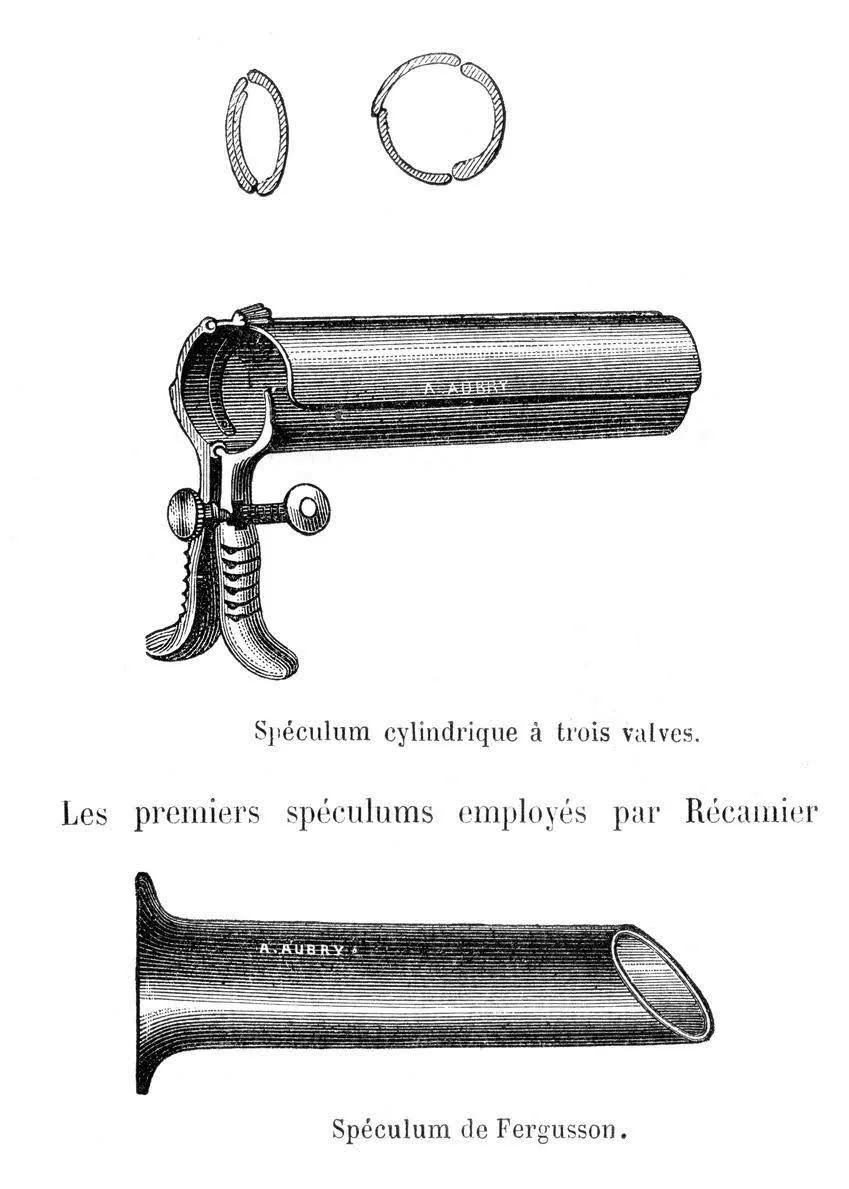
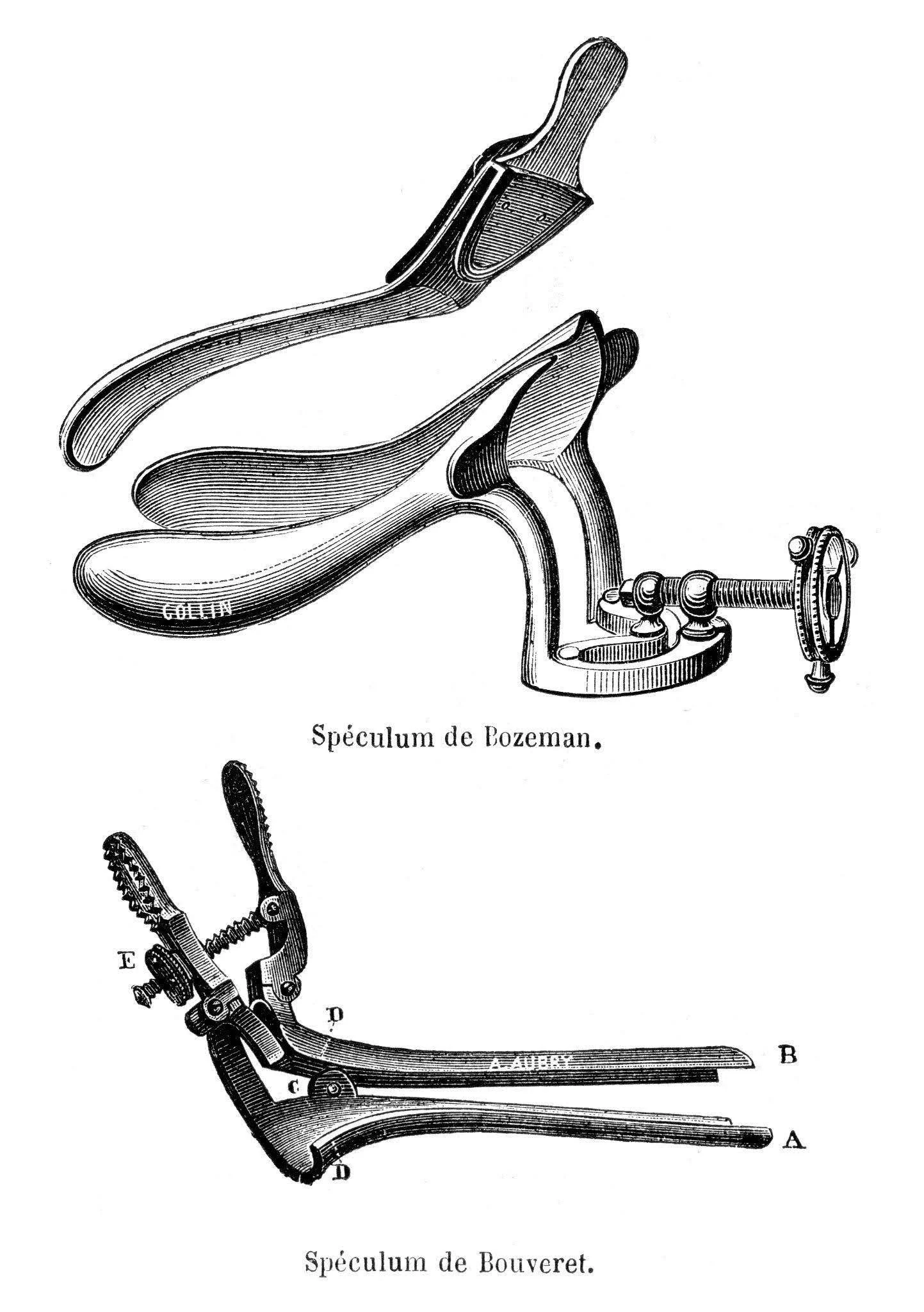
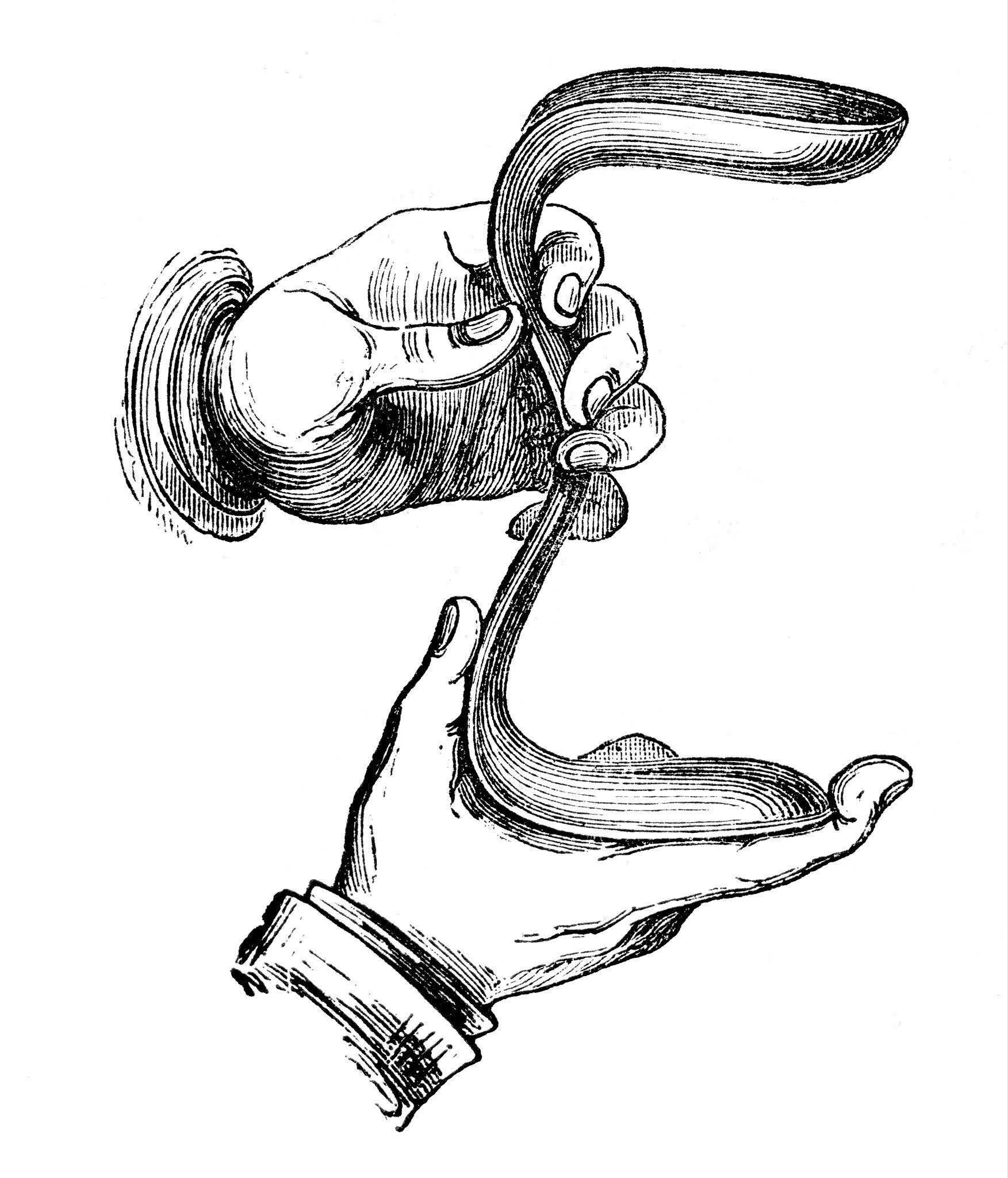
Speculums have been noted for use for thousands of years in some shape or form. While it is likely impossible to know the exact location and date of their first use, there is evidence from Greek and Roman times. A bronze speculum with four blades was found in the Pompeii excavations and was thought to be used for rectal exams. In the Islamic Golden Age beginning in the seventh century, the practice of medicine was emerging which included the area of gynecological care and use of the speculum for vaginal exams. Later versions of the speculum were known to be created in France in the 1700-1800s. In the 1800s in the United States, Dr. James Marion Sims developed the Sims’ speculum which was formed as a spoon tipped ending to aid in the opening of the vagina. Sadly, it is important to note that Dr. Sims use of his speculum is steeped in unethical practice as he did not gain consent for its use with enslaved black women in which he performed human medical experiments. Later in the 1800’s surgeon Edward Gabriel Cusco developed a bivalve model based on the Sims speculum which was further revised by Frank W. Graves into a similar version of what is still used today known as the Graves speculum. Below are a few speculum examples from the 1800s with the Sims’ on the far left.
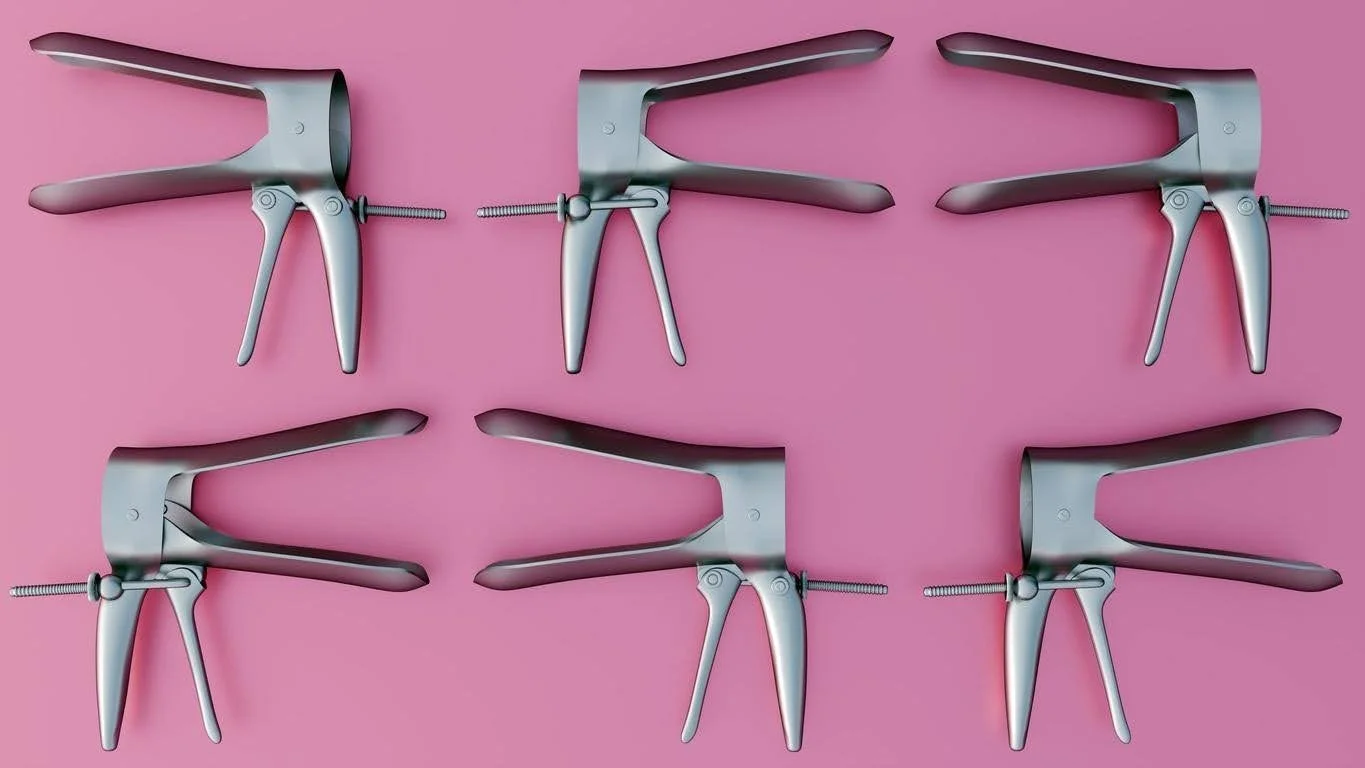
Speculums today come in many different sizes and are made from two main materials: plastic or metal, and some have a locking mechanism so the provider can have both hands free. The Graves speculum, is more curved towards the ends similar to a spoon shape to better hold it in place and is typically used for women who have given birth. The Pederson speculum, which is straighter, flatter and narrower, is often used for women who haven't given birth and for women in menopause or those who have not had penetrative intercourse.
Recently there have been attempts to improve the form of the speculum to provide better comfort during vaginal exams and procedures. One example was designed by two women from the Netherlands who developed a speculum called (The Lilium). The Lilium looks and acts similarly to the Lily flower in the way it works mechanically and promotes the opening of the vagina in a more triangular fashion rather than just from the top and bottom. I have asked some of the providers I work with if they have used it but I don’t think it is available in the US market at this time under this brand name.
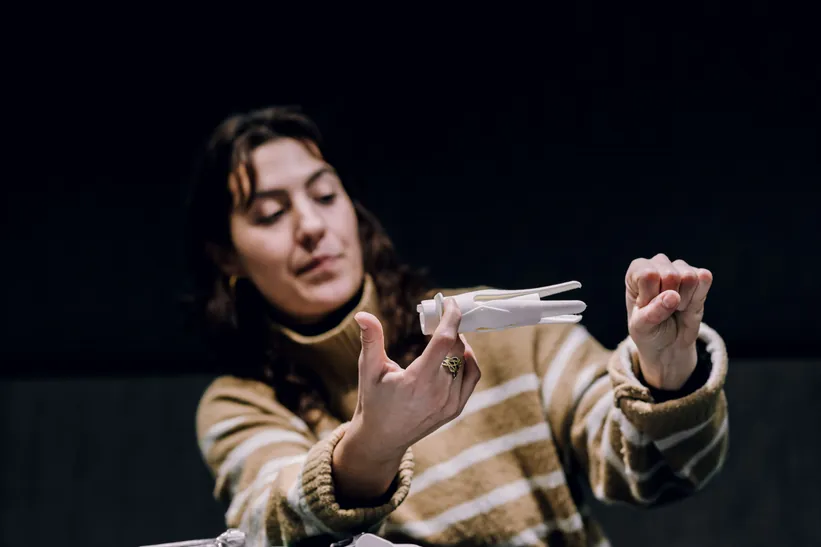
Photo: Braun
Another model called The Nella, has a similar general shape as the Graves and Pederson models but is much slimmer for a more comfortable entrance into the vagina. It is made from a polymer instead of plastic or metal. It can be ordered by the patient in a kit, to keep as their own and then brought to the provider’s office for use.
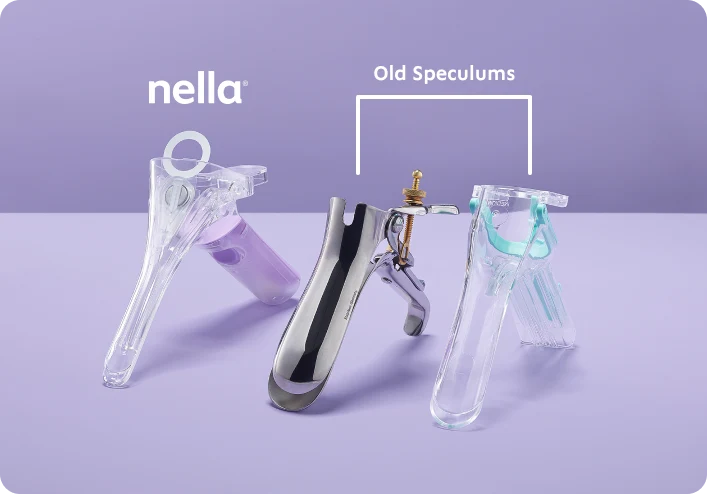
Photo: Ceek Women’s Health and Nella
If you are interested in trying new speculum products like the Lilium or the Nella please don’t be afraid to discuss them with your medical provider as they rely on your input and questions to promote change in the industry. Also, if you get any kickback from a provider for asking these types of questions I urge you to not take their response personally and maybe instead lean into it a little more and ask why. Ultimately you could get a more detailed answer or you could understand that they may not be a good fit as your provider.
References
https://www.braun.de/de-de/braunprize-2024/braunprize-winners-2024/braunprize-Lilium
https://ceekwomenshealth.com/products/nella-kind-single-use
https://pmc.ncbi.nlm.nih.gov/articles/PMC10542509/
https://pmc.ncbi.nlm.nih.gov/articles/PMC10522035/
https://www.pbs.org/wgbh/americanexperience/features/cancer-detectives-brief-history-speculum/
https://americanhistory.si.edu/collections/object/nmah_726682