
A brief review of what to expect and why it is important

Introduction
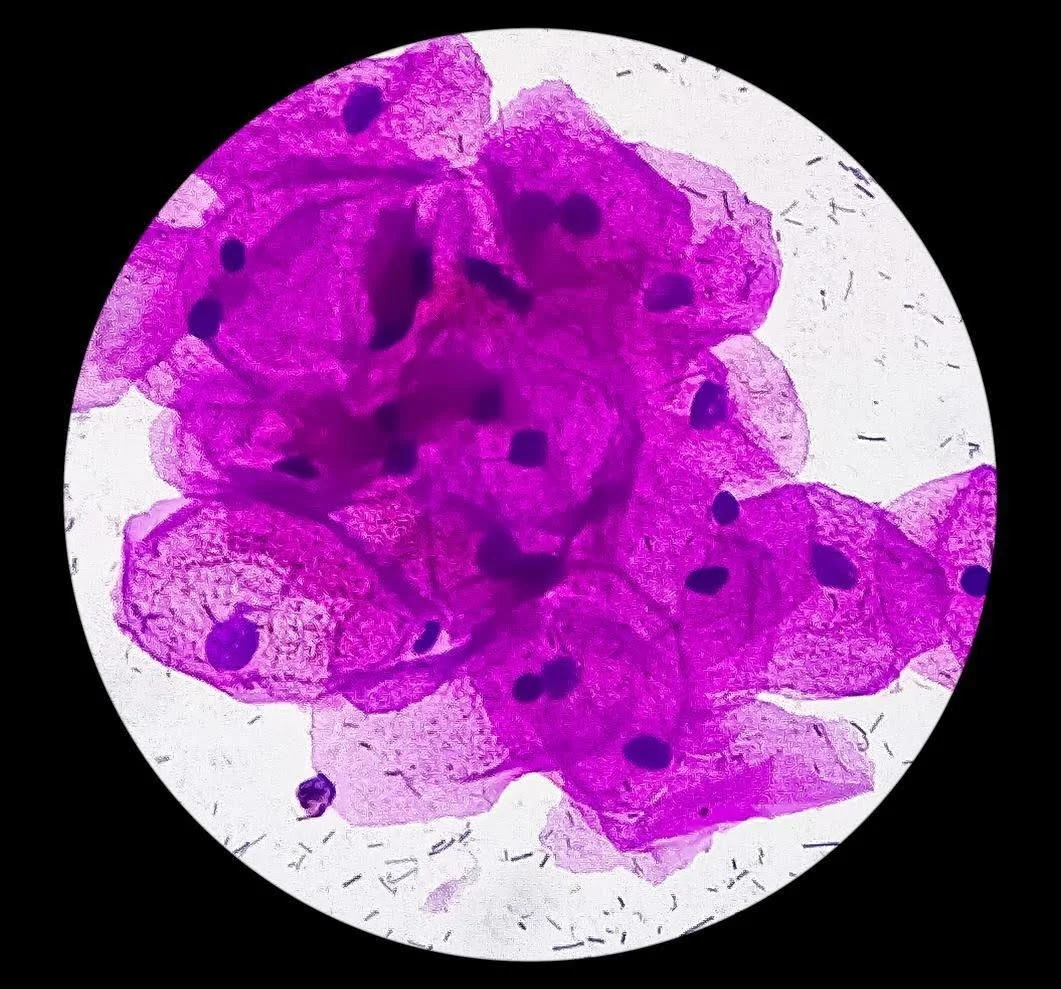
No better place to begin than discussing cervical cancer screening, aka the PAP smear, or more formally the Papanicolaou test. This test is performed in order to detect possible precancerous or cancerous changes to the cells on the cervix. These types of changes to the cervical cells are usually related to exposure to the Human Papilloma Virus otherwise known as HPV. Changes to the cervical cells can also occur from infections such as yeast vaginitis, bacterial vaginosis, STI’s/Sexually Transmitted Infections, trauma or abnormal growths such as polyps. These types of changes will usually be identified by the pathology lab from the PAP test sample.
Cervical Cancer and HPV
According to the American Institute for Cancer Research, cervical cancer is the fourth common type of cancer globally and is most frequently diagnosed in women between the ages of 35-44. According to the World Health Organization, the highest rates of diagnoses and deaths are in low to middle income countries due to lack of potential access to preventative care such as the HPV vaccine and regular cervical cancer screenings and treatments along with social barriers.
While cervical cancer has plagued women for millenia, the cause was not known until the 1970s and 80s. A German virologist, Harald zur Hausen and his team who researched cervical cancer and were able to identify that the majority of cases are caused by specific genetic types of the Human Papilloma Virus/HPV. The Human Papilloma virus is widespread throughout the world and there are at least 200 different genetic types. Common types of HPV are found on the skin (also known as the cutaneous type) which includes the hands, arms, legs and feet in the form of warts. There are also specific types of HPV that can cause genital warts. Only about a handful of HPV genotypes can potentially cause cervical cancer, with only 3 of those that cause over 70% of cervical cancers globally. It is important to understand that the genetic types of HPV that can put you at risk of cervical cancer are sexually transmitted (also known as the mucosal type) and can also cause the risk of cancer on the penis and urethra of the penis, the anus, the vagina, the vulva/labia (outside of vagina), the oral, throat and nasal cavities, the trachea (windpipe) and smaller branches off the trachea, as well as the eyelids.
If you are sexually active with a partner it is important to get screened for changes to the cervix and possible presence of HPV as recommended by your provider. Sexual activity with a partner is the main source for exposure to mucosal HPV. Interestingly, one can be exposed to and infected with HPV and not ever know it. The body can clear the virus on its own but it is never guaranteed and potential exposure to more than one genotype is possible. The HPV virus can also go into a state of dormancy and may not be detected or affect the cervix for many years.
Testing Guidelines
There are several guidelines for cervical cancer screening. Below is the widely practiced American Cancer Society’s recommended standard frequency of PAP testing and HPV testing. This chart is not set in stone and will vary if you have had any abnormal results in the past or certain underlying health conditions.
| AGE | RECOMMENDED CERVICAL SCREENING FREQUENCY |
|---|---|
| Under 21 years old | Not necessary due to very low risk of cervical cancer |
| 21-29 years old | Every 3 years unless your provider recommends otherwise |
| 30-65 years old | Every 3 years for PAP test and every 5 years for PAP with HPV Co-test unless your provider recommends otherwise |
| Older than 65 | Not necessary if you have never had the presence of abnormal cervical cells or cervical cancer and you have had 3 normal PAP tests in a row over a 10 year time span |
What to expect at your exam
When you visit your provider for cervical cancer screening you should discuss any initial concerns you might have, symptoms you may be experiencing and ask them exactly what you will be tested for. In the United States your provider is following strict guidelines set by ASCCP/The American Society for Colposcopy and Cervical Pathology of when and what to test for in a PAP test. Other countries have similar organizations that set standards for their populations.
Pelvic Exam
You will likely have what is known as a pelvic exam. To help ease discomfort you will be asked to urinate/empty your bladder prior to your exam. You will also likely be asked to undress and wear a gown provided by your provider’s office for easier examination of your abdomen and pelvis. Usually the provider will ask you if you would like a chaperone from their team to accompany you in the exam. If a chaperone was not offered to you and you would like one, never hesitate to request one.
First the provider will perform an abdominal exam on the outside of the abdomen using their gloved hands to feel for any potential abnormal masses, how large some of your organs are such as your liver, feel for any enlarged lymph nodes and to understand if you are experiencing any abnormal symptoms such as pain.
Next, your provider will examine the exterior of the vagina otherwise known as the vulvar region for any changes to that tissue such as rashes, change in coloration or texture.
At this point your provider may perform what is called a Bimanual exam. This entails the provider inserting their lubricated gloved hand into the vagina and using their non-dominant hand to feel/palpate the ovaries and uterus. They can also note if the cervix is particularly tender. The Bimanual exam can also be completed after the PAP smear process.
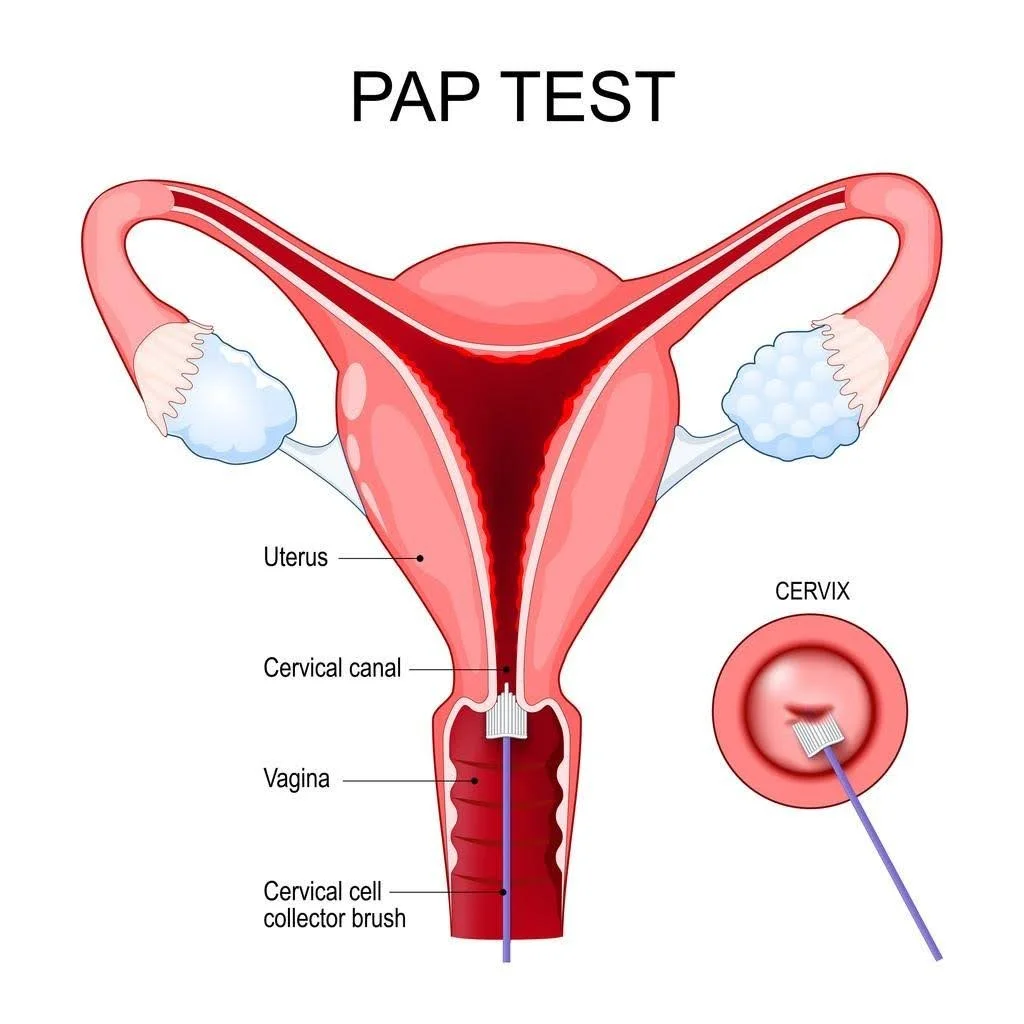
The next part of the pelvic exam involves inserting a lubricated speculum into the vagina to open the vaginal canal enough so that the provider can examine the vaginal walls and cervix visually and perform the PAP test.
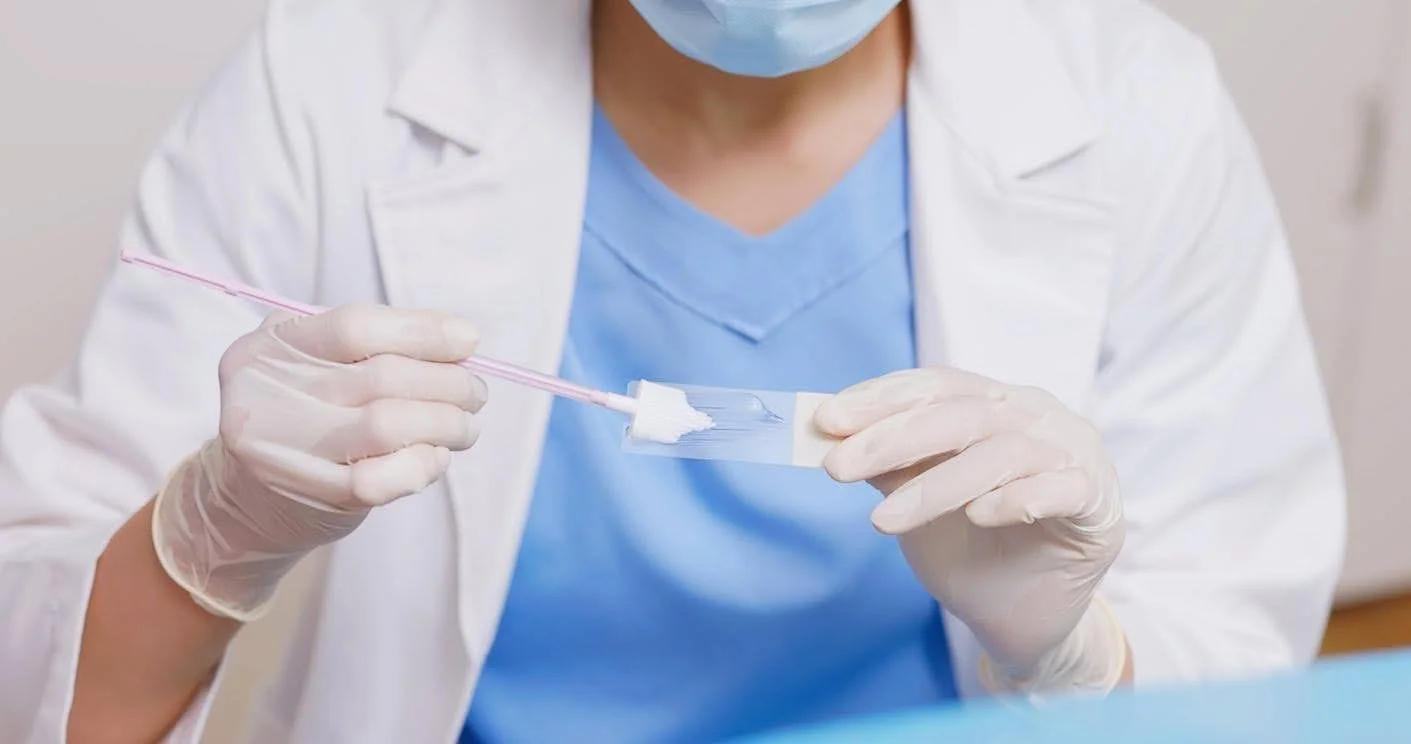
The PAP test: a small brush is then inserted through the speculum into the vagina to collect cells from the cervix. Cervical cells are collected by rotating the brush in a circular, clockwise motion a full 5 rotations for optimal sample collection. The sampling of cervical cells from the brush is sent to the lab/pathologist for results. Timing of results can vary due to the individual lab and the results themselves but usually take 1-2 weeks. Depending on the results, your provider will inform you if they will need further follow up testing or there are any recommended changes to your cervical screening frequency.
Generally at this point your exam is complete. If you experienced discomfort during the exam (which is not uncommon) or have further questions let your provider know.
HPV Screening Self Collection Kit
In 2024 the FDA approved a self collection test for HPV screening. However, while the test is recognized by most women’s health research bodies in the US, both the American Cancer Society (ACS) and the American College of Obstetrics and Gynecology (ACOG) continue to see provider collected sampling as the preferred method of collection but recognize that it is not always convenient for patients to visit the clinic or have issues with vaginal exams. Therefore ACOG has provided recommendations if a patient inquires about using the self collection method.
Generally speaking a provider can order a self collection kit for you to complete at home, in a lab or at the clinic with instructions on how to submit to the lab. Always check with your insurance coverage before submitting the test.
There are online sources to order the self collection kit from but they do not guarantee accuracy or they may not be FDA approved. Always look for FDA approved tests or discuss with your provider about how to acquire the self test kit.
You should not use the self collection kit for HPV if:
You have a history of abnormal cervical cells or cervical cancer
You have HIV
You take medications that suppress your immune system
References:
https://www.pbs.org/wgbh/americanexperience/features/cancer-detectives-helen-dickens/
International Agency for Research on Cancer, World Health Organization https://www.iarc.who.int/cancer-type/cervical-cancer/
Douglas R. Lowy, The National Institutes of Health (NIH) National Cancer Institute, Laboratory of Cellular Oncology, Center for Cancer Research, Harald zur Hausen (1936 to 2023): Discoverer of human papillomavirus infection as the main cause of cervical cancer, Issue date 2024 Mar 12. PMCID: PMC10945753
D G Ferris 1, M M Berrey, K E Ellis, L J Petry, J Voxnaes, R T Beatie, The National Institutes of Health (NIH) Department of Family Medicine, Medical College of Georgia, Augusta 30912.The optimal technique for obtaining a Papanicolaou smear with the Cervex-Brush, J Fam Pract 1992 Mar;34(3):276-80, PMID: 1541953